
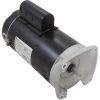
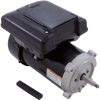
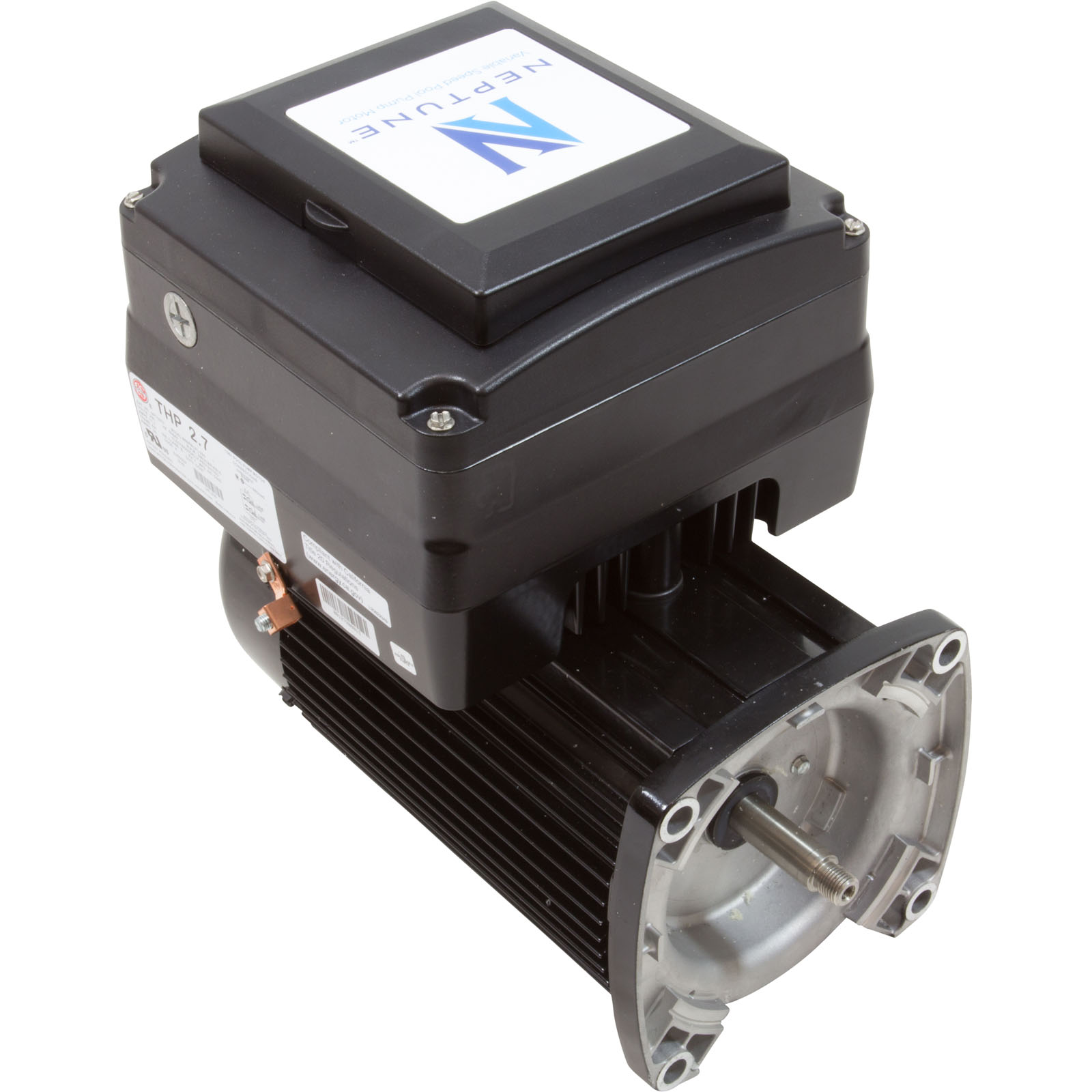
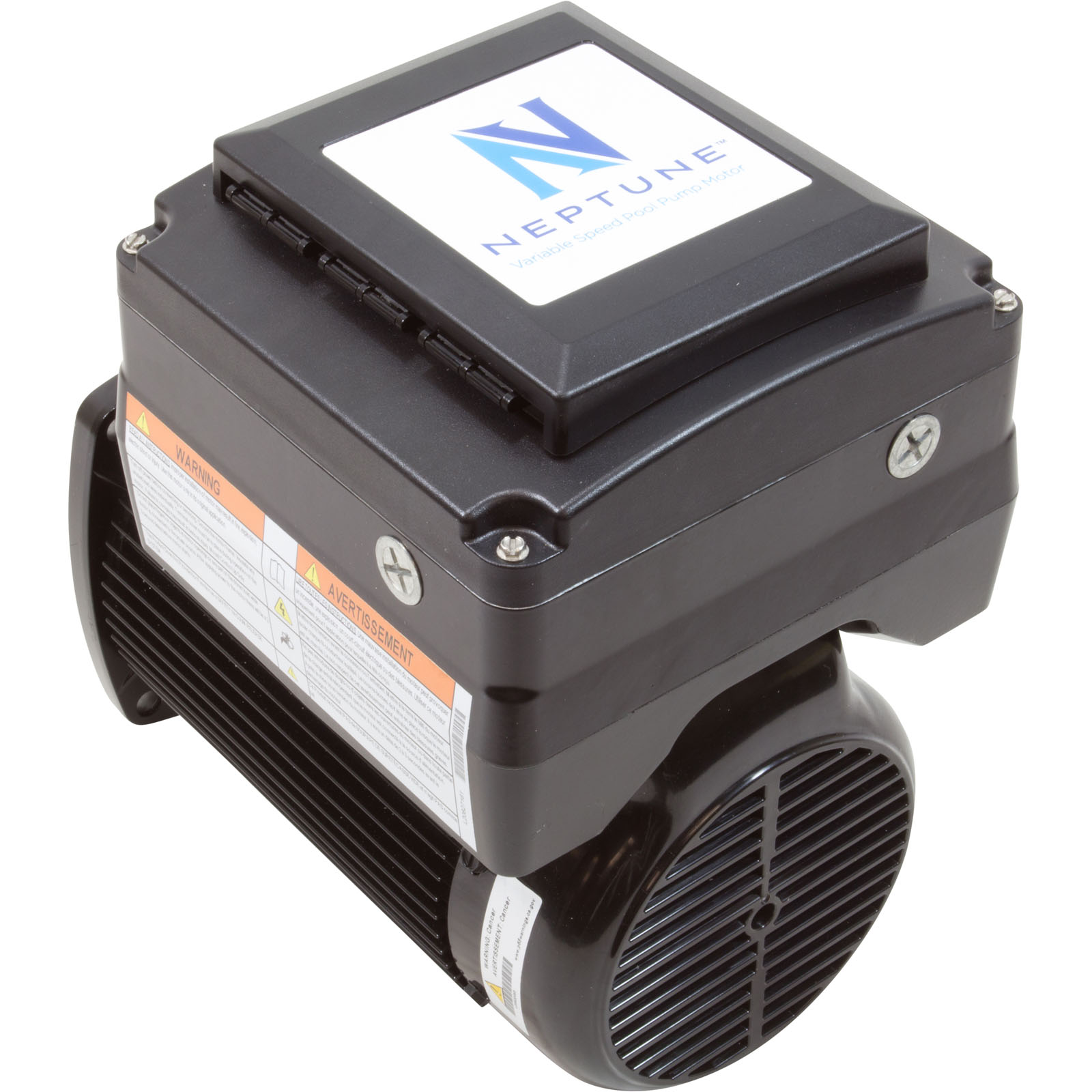

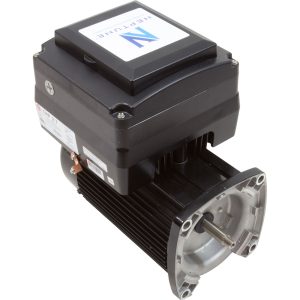

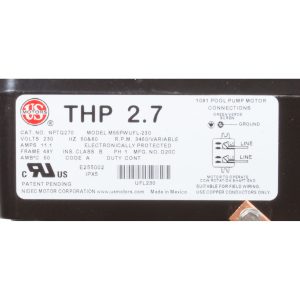

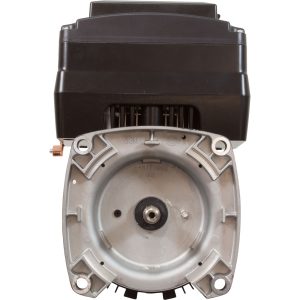


Motor, US Motor Neptune, 2.7thp, SQFL, Var-Spd, 230v, 48Y | NPTQ270
$732.32
| Manufacturer part number | NPTQ270 |
| UPC (GTIN) | 786382135089 |
| Warranty | 1 year manufacturer warranty |
| Returns | 30-day returns – see our returns policy |
2 in stock
Fast dispatch
Order in
--:--:--
for shipping today
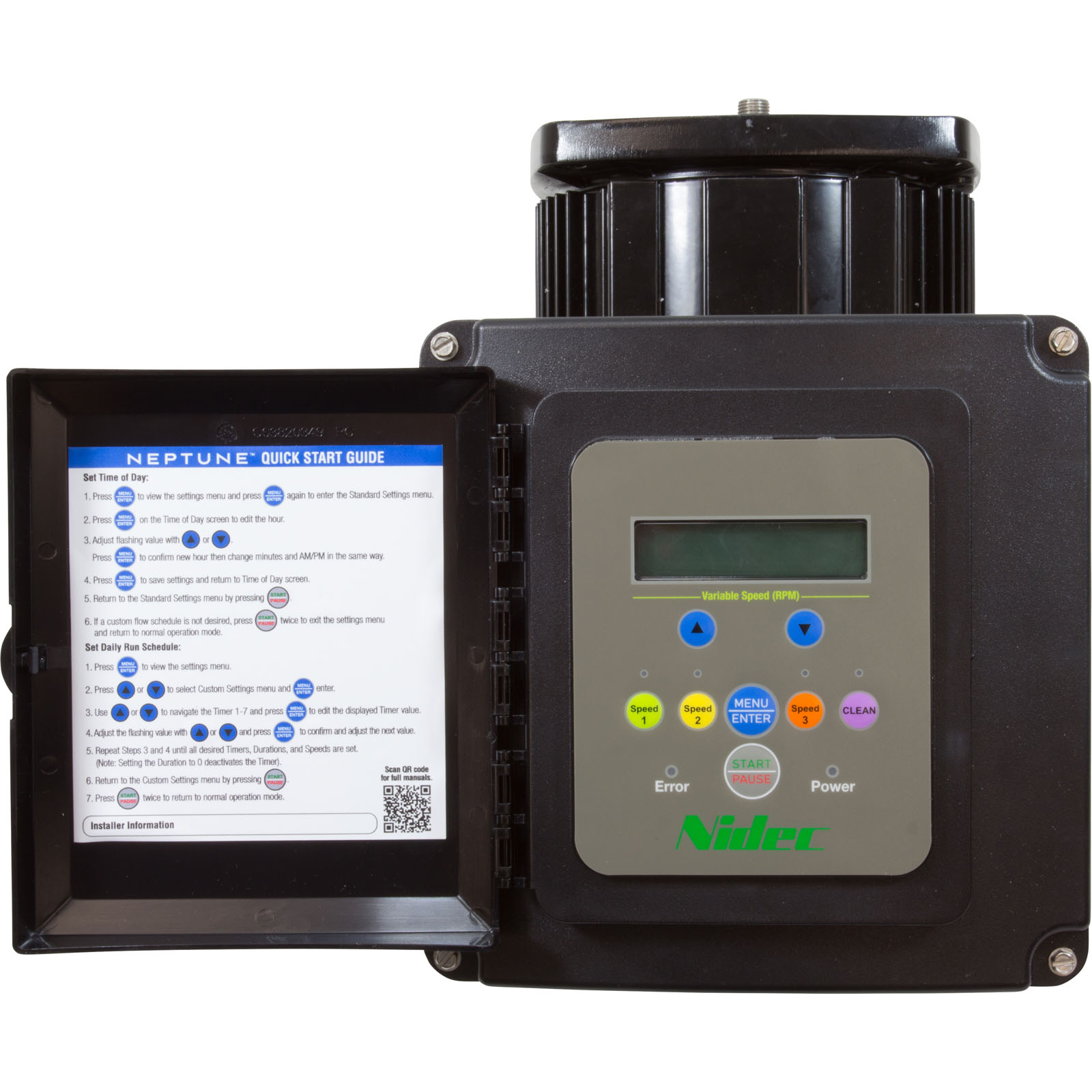
The Neptune™ 2.7 Total Horsepower (THP) variable speed pool pump motor is a premium efficiency product that includes a fully integrated motor, control,
and user interface (UI). The product gives you programming flexibility and exceptional speed range capability. It is also designed to communicate and operate with
a variety of external system controls, in addition to the on-board User Interface.
FEATURES:
- Efficiency: 2.7THP 85% at 3450 RPM
- Enclosure: Finned Aluminum enclosure providing a Water Ingress Protection level of IPX5 for long field life in outdoor environmental conditions
- User Interface: Fully functional, easy to operate, capable of 90°, 180°, or 270° rotation
- Rotation: Counter-clockwise (viewing motor shaft)
- Low Temperature Monitor: Threshold temperature configurable in the UI
- Fully Integrated: Designed for simple “Drop-In” installation with no complex wiring
- Auxiliary Load Relay
- Capable of communicating with specific pool control systems via MODBUS RTU
- Capable of setting up to seven daily schedules
- Adjustable priming time & speed
- Menu keypad lockout
- Designed for quiet operation
- UL 1081 approved
🔩 Technical specifications
| Specification | Value |
|---|---|
| Manufacturer part number | NPTQ270 |
| UPC | 786382135089 |
| Brand | U.S. Motors (Nidec) |
| Application | Pool pump motor |
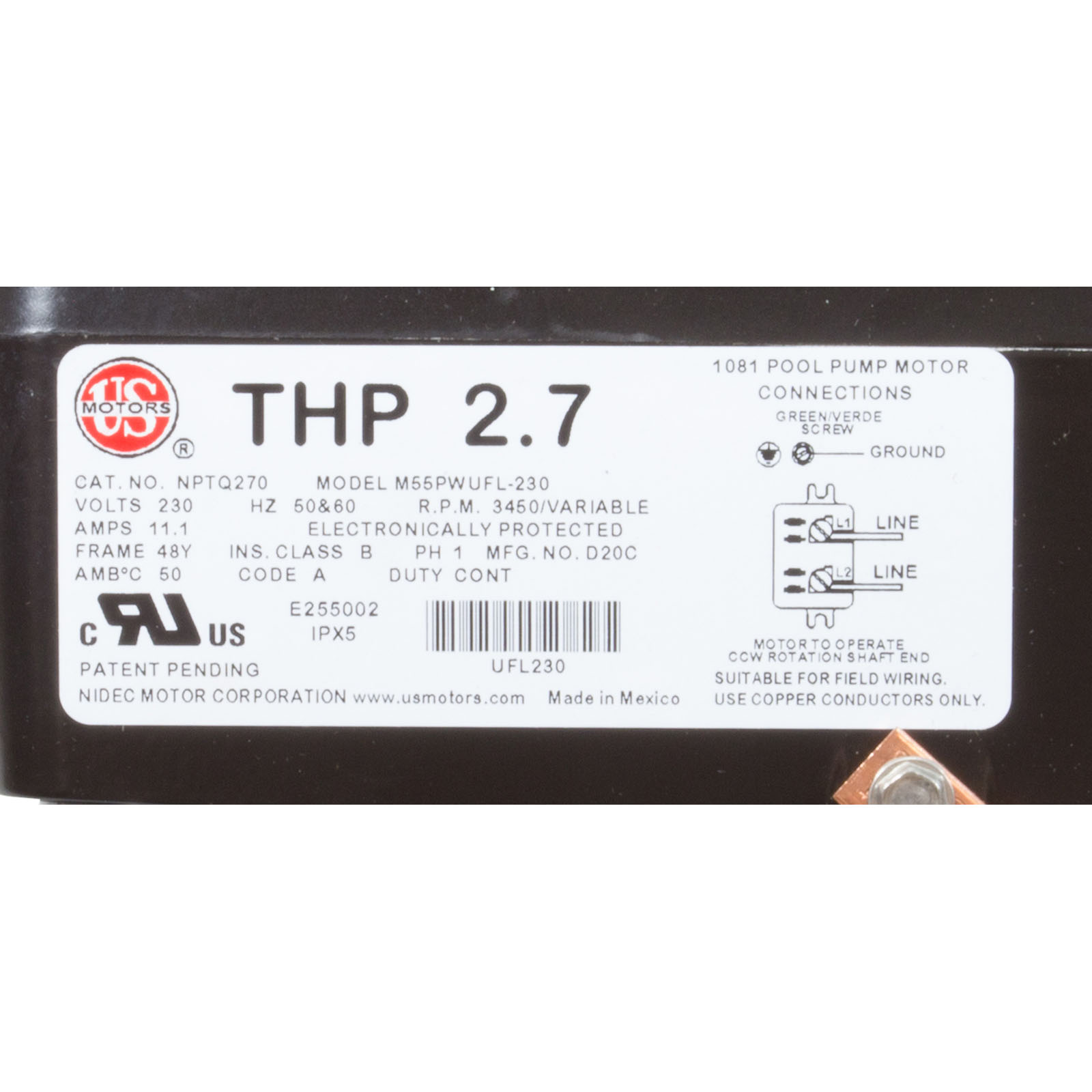
| Total horsepower (service factor rated) | 2.7 HP |
| Speed | Variable speed |
| Voltage | 230V |
| Frequency | 60 Hz |
| Current draw | 11.1 A |
| RPM | 3,450 RPM |
| Motor frame | 48Y frame |
| Frame dimensions | 48Y frame, 5/8 in threaded shaft (1/2-20 UNC-2A (square flange)) |
| Mounting style | Square flange |
| Shaft | Threaded |
| Capacitor position | Not on top (side or rear mounted) |
| Horsepower | 2.7 HP |
Find the right pump or motor
Enter what is printed on the label of the one you are replacing. Anything that differs is shown with the difference spelled out, so you can judge it for yourself.
Port size is the plumbing thread, not the pipe — a 2 inch union measures about 3 inches across the male thread. Amps are compared to within half an amp, since published figures round differently between motor brands. Voltage is never treated as a near miss: a 115V motor is not one step from a 230V supply. Anything whose page does not publish a figure you entered is left out rather than offered with a caveat — search it by name to see it anyway.
🔧 Parts and fittings for this
| Part | Our part number | Availability | Price | ||
|---|---|---|---|---|---|
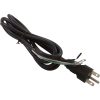 |
Pump Cord, Stenner Classic Pumps, 230v, 6ft, Nema | MP6B020 | 2 in stock | $19.41 | Add to cart |
 |
Motor, US Motor Neptune, 1.65thp, SQFL, Var-Spd, 115/230v, 48Y | NPTQ165 | 14 in stock | $740.40 | Add to cart |
 |
Motor, US Motor Neptune, 2.25thp, SQFL, Var-Spd, 230v, 48Y | NPTQ225 | 11 in stock | $767.98 | Add to cart |
| Brand | Nidec-Motor-Corp/US-Motors |
|---|---|
| Voltage | 230v |
| Speed | Variable Speed (Var-Spd) |
| Motor Type | Pool |
| Motor Shaft Type | Threaded |
| Motor Style | Square Flange |
| Capacitor On Top | No |
| Motor Amperage | 11.1A |
| Frame Type | 48Y |
| Total Horsepower | 2.7thp |
| H Part# | 35-184-2027 |