

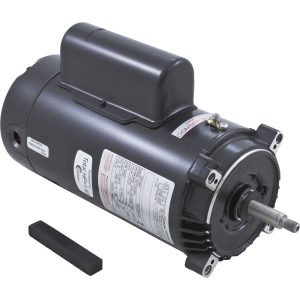
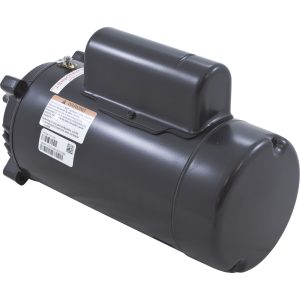

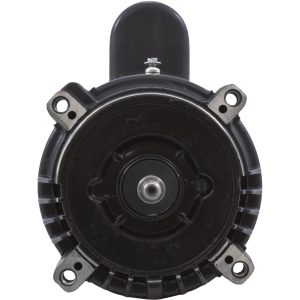
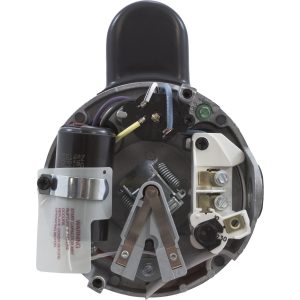
Motor, Century, 1.0hp, 115v/230v, 1-Spd, 56Cfr, C-Face, Thd, EE | CT1102
$380.91
| Manufacturer part number | CT1102 |
| UPC (GTIN) | 786674017260 |
| Warranty | 1 year manufacturer warranty |
| Returns | 30-day returns – see our returns policy |
6 in stock
Fast dispatch
Order in
--:--:--
for shipping today
💧 Motor, Century, 1.0hp, 115v/230v, 1-Spd, 56Cfr, C-Face, Thread, EE
Made by Century, manufacturer part number CT1102. It is listed for the equipment shown below, so check the model on your own unit against that list.
✅ Listed for
- StaRite CFA Series Pump
- Aqua Flo “A” Series Pump
- Val-Pak/AquaFlo Dominator Medium & High Head Pump
- w/Copper Insert AquaFlo Dominator Medium & High Head Pump
⚠️ Energy regulations: please read
Since 29 September 2025, US Department of Energy rules have required newly made replacement pool pump motors of 1.15 to 5 total horsepower to be variable speed. This is a single-speed motor. Motors built before that date can still be sold and installed until stock runs out, so supply of this motor will end.
Some states, including California, have stricter rules that may not allow a single-speed replacement. Check your local regulations before ordering.
A variable-speed motor also costs much less to run. If you would rather upgrade, check the mounting, shaft and total horsepower of your pump against our variable-speed motors before ordering.
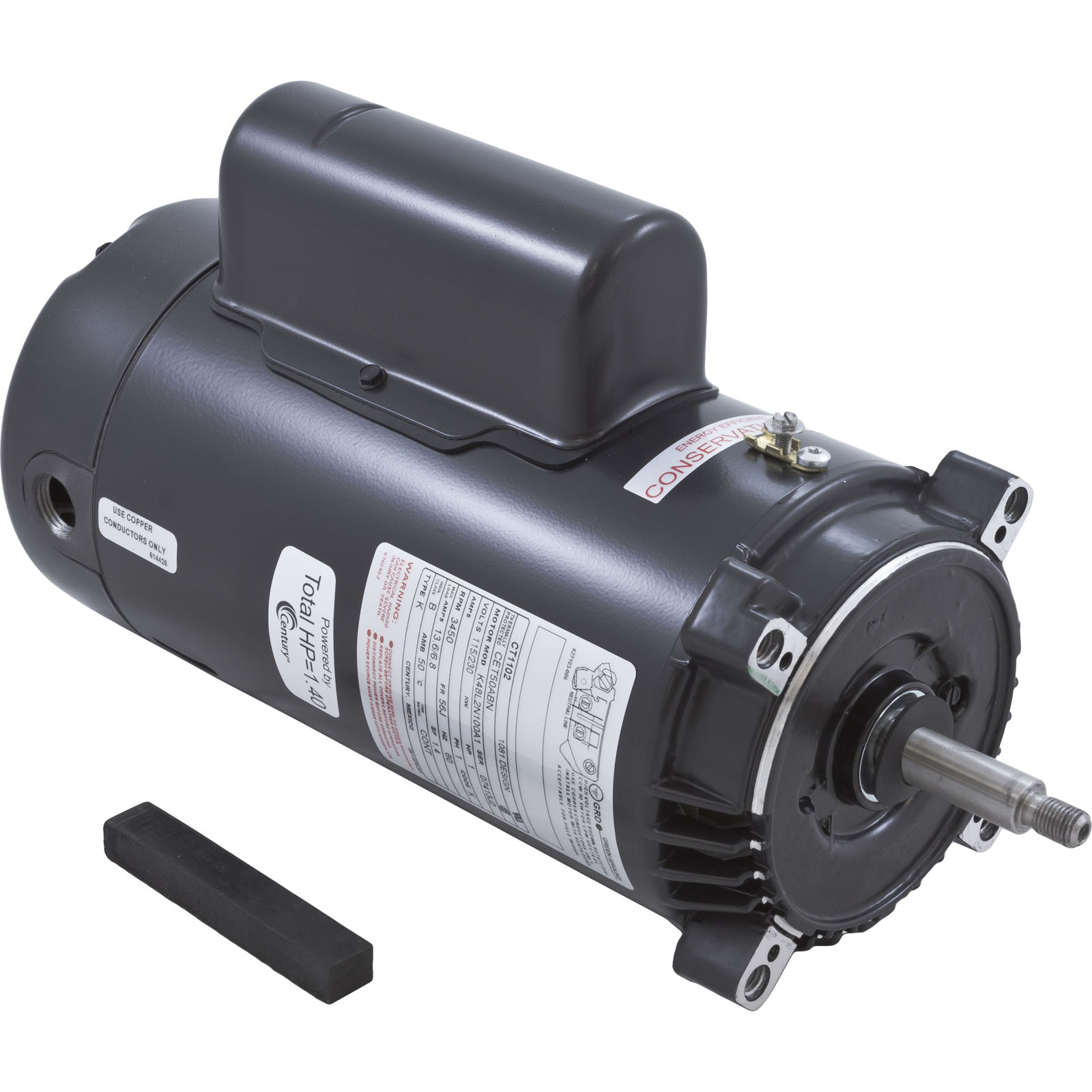
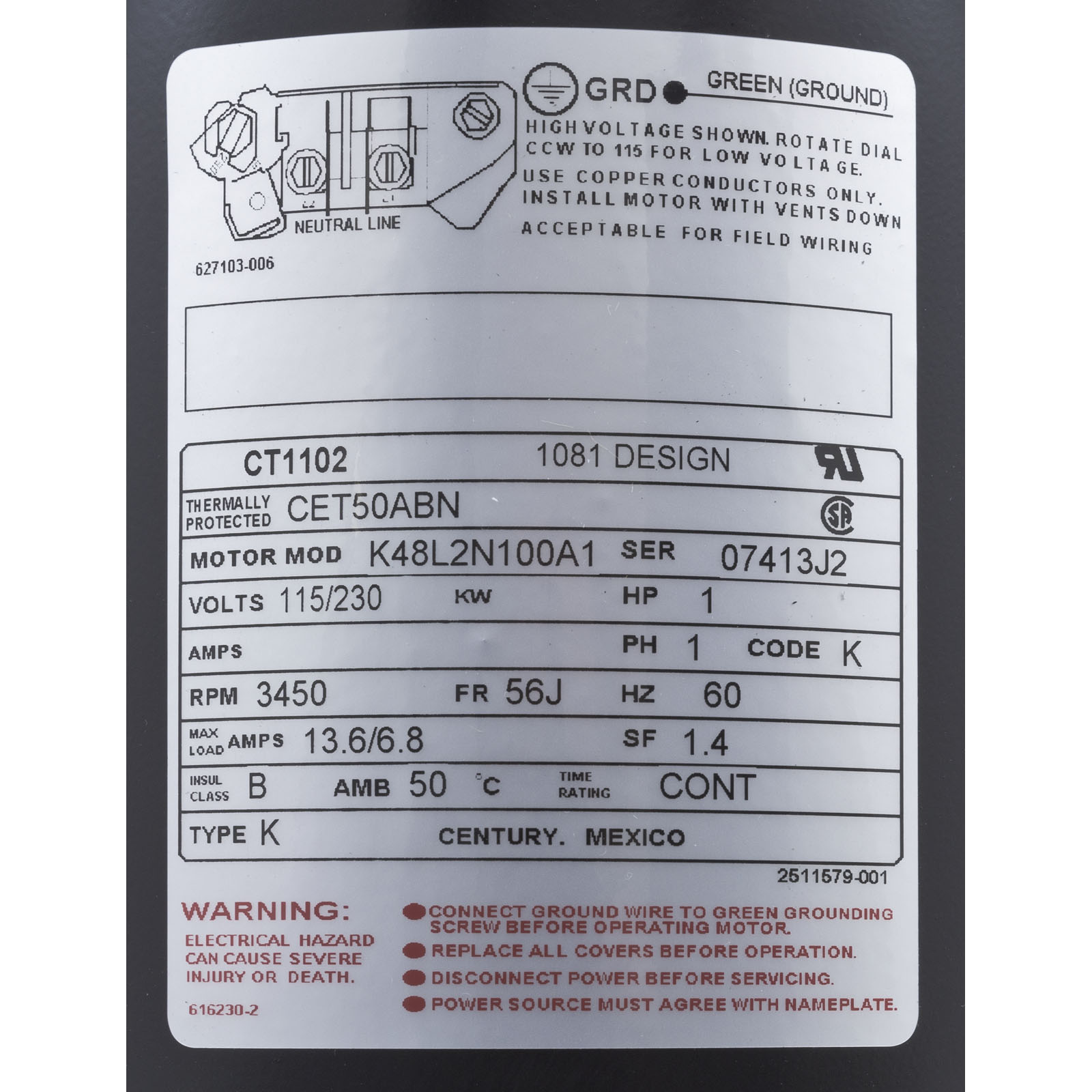
| CAT: CT1102 MODEL: K48L2N100A1 TYPE: K FR: 56J HP: 1 SF: 1.4 PH: 1 HZ: 60 RPM: 3450 ROT: CCWPE |
VOLTS: 115/230 AMPS: MAX AMPS: 13.6/6.8 SF AMPS: TIME: CONT ENCL: THERMALLY PROTECTED CET50ABN FORM: CODE: K INSUL CLASS: B AMB.: 50°C |
Century replacement pool pump motor – 1 HP, 115V / 230V, single speed, 56C frame
⚙️ What this motor is
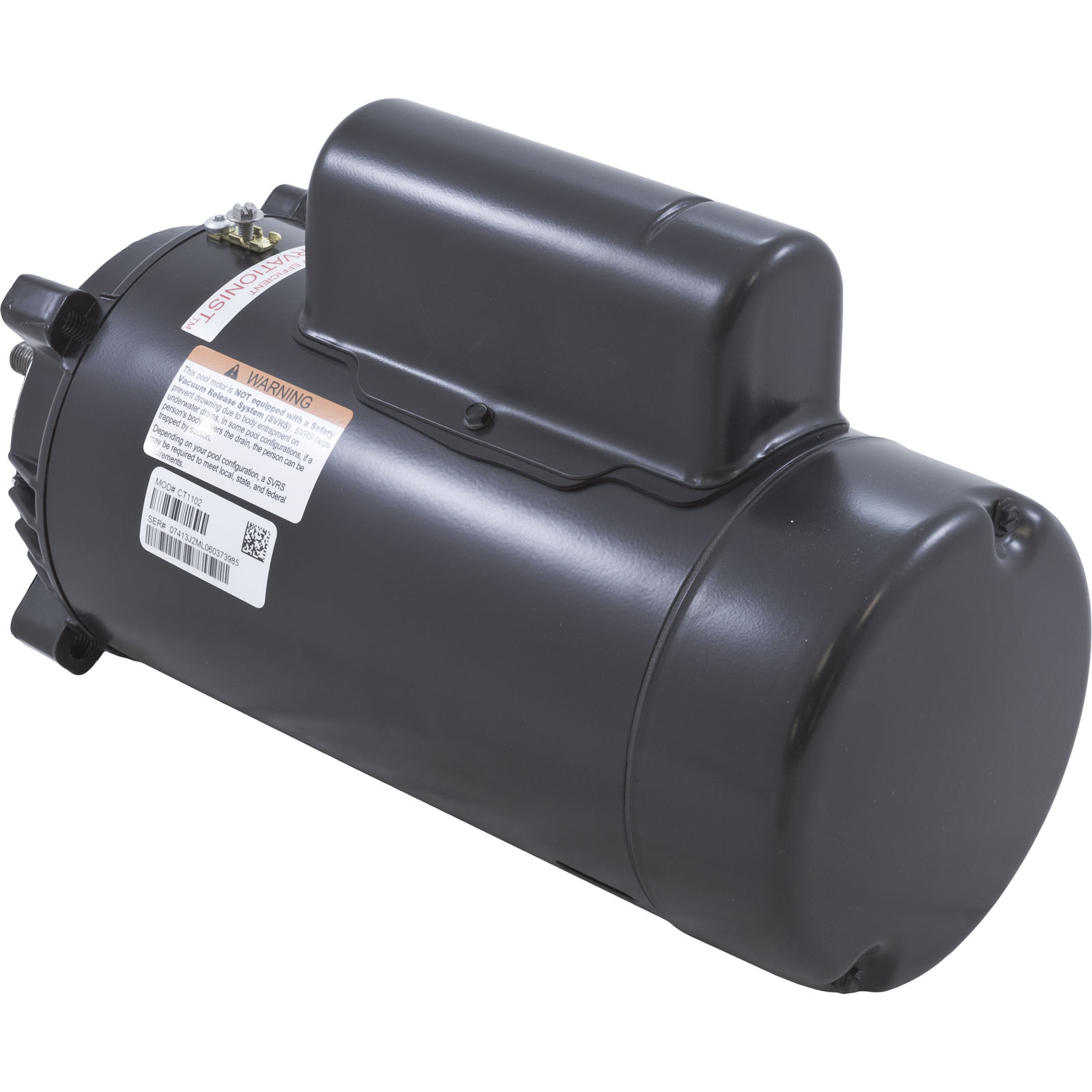
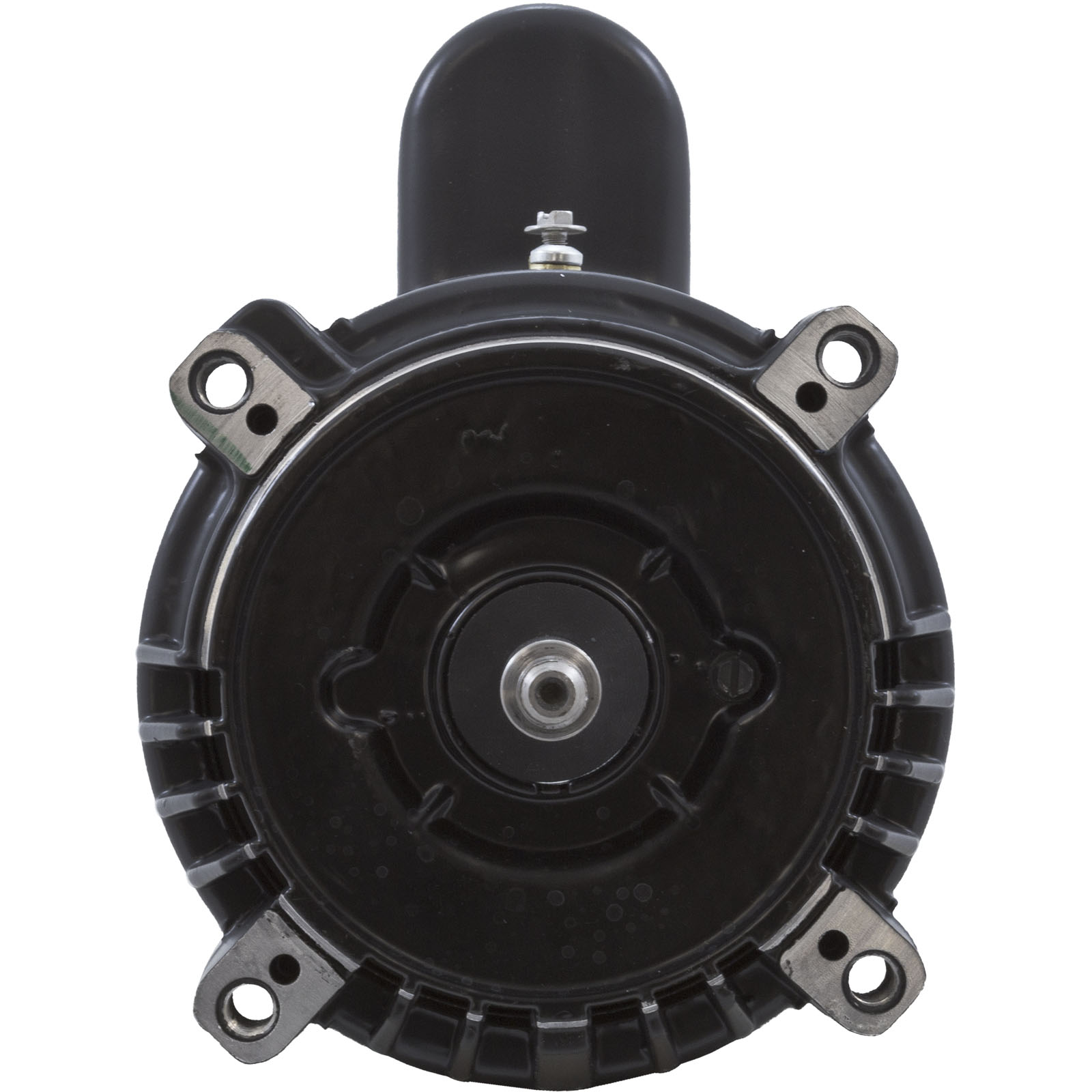
This is a replacement motor only, not a complete pump. It is a c-face motor, which you can recognise by a round flange that bolts to the pump's seal plate. It is a 56C frame with a threaded shaft. It runs on 115V / 230V, single speed. It bolts to the wet end you already have, so the pump housing, impeller and plumbing stay where they are.
✅ Check these before you order
- Compare total horsepower, not nameplate horsepower. Multiply the horsepower on your old motor’s label by the service factor printed next to it. This one is 1.4 HP total. Two motors labelled differently can be the same motor once you do that sum.
- Mounting. A C-face motor will not fit a square flange wet end, and no adapter exists, so check yours matches before ordering.
- Frame size. Measure across the round body of the motor: roughly 5-1/2 to 5-7/8 inches is a 48 frame, roughly 6-1/2 to 6-3/4 inches is a 56 frame. Measuring beats reading the old label, because some makers labelled 48 frame motors as 56. This one is a 56C frame.
- Shaft. This motor has a threaded shaft. A threaded shaft has the impeller screwed straight onto it; a keyed shaft is smooth with a groove down it. The two are not interchangeable.
- Voltage. This motor is 115V / 230V. Read it off the old motor’s label rather than assuming from the wiring – a spa wired for 240V can still run a 120V pump.
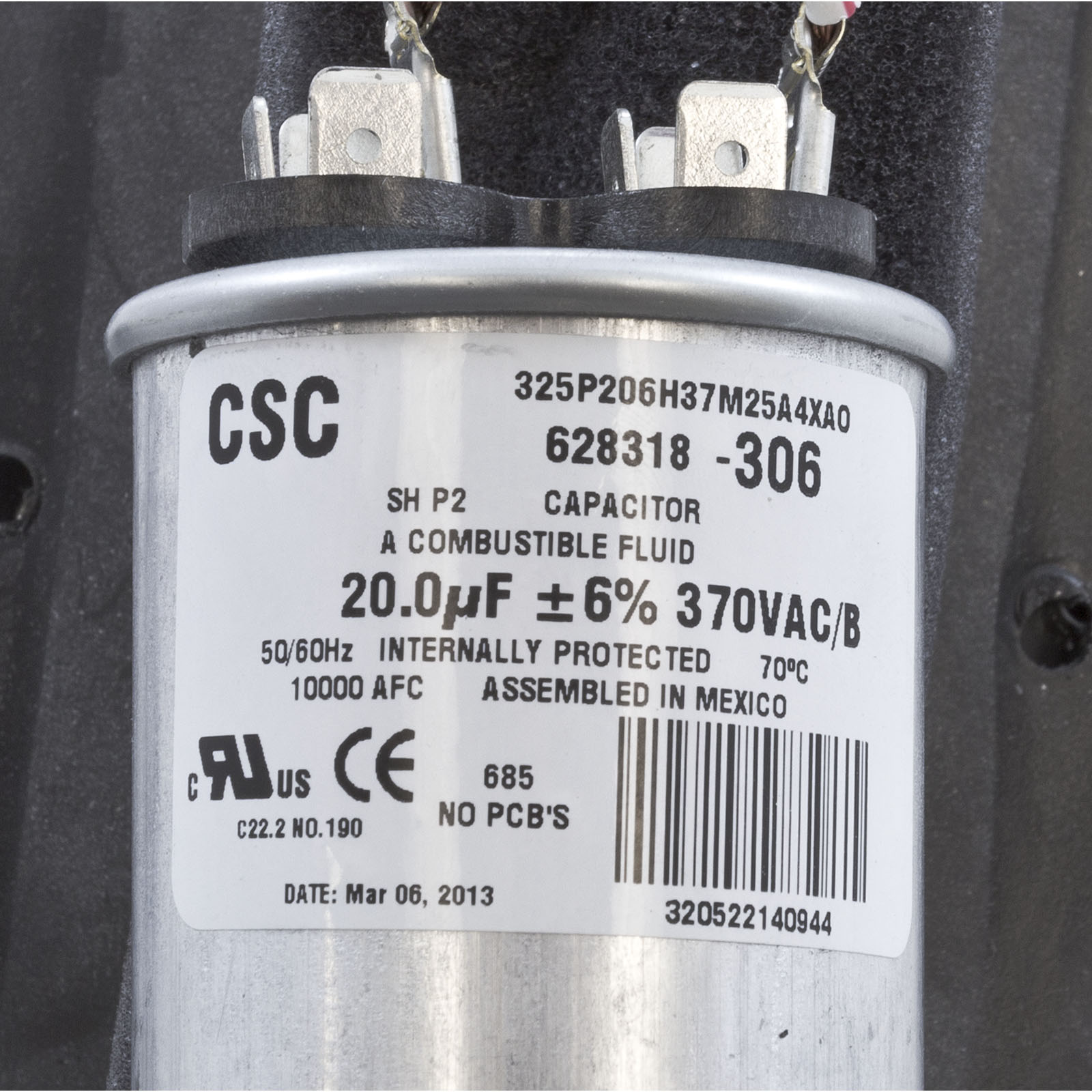
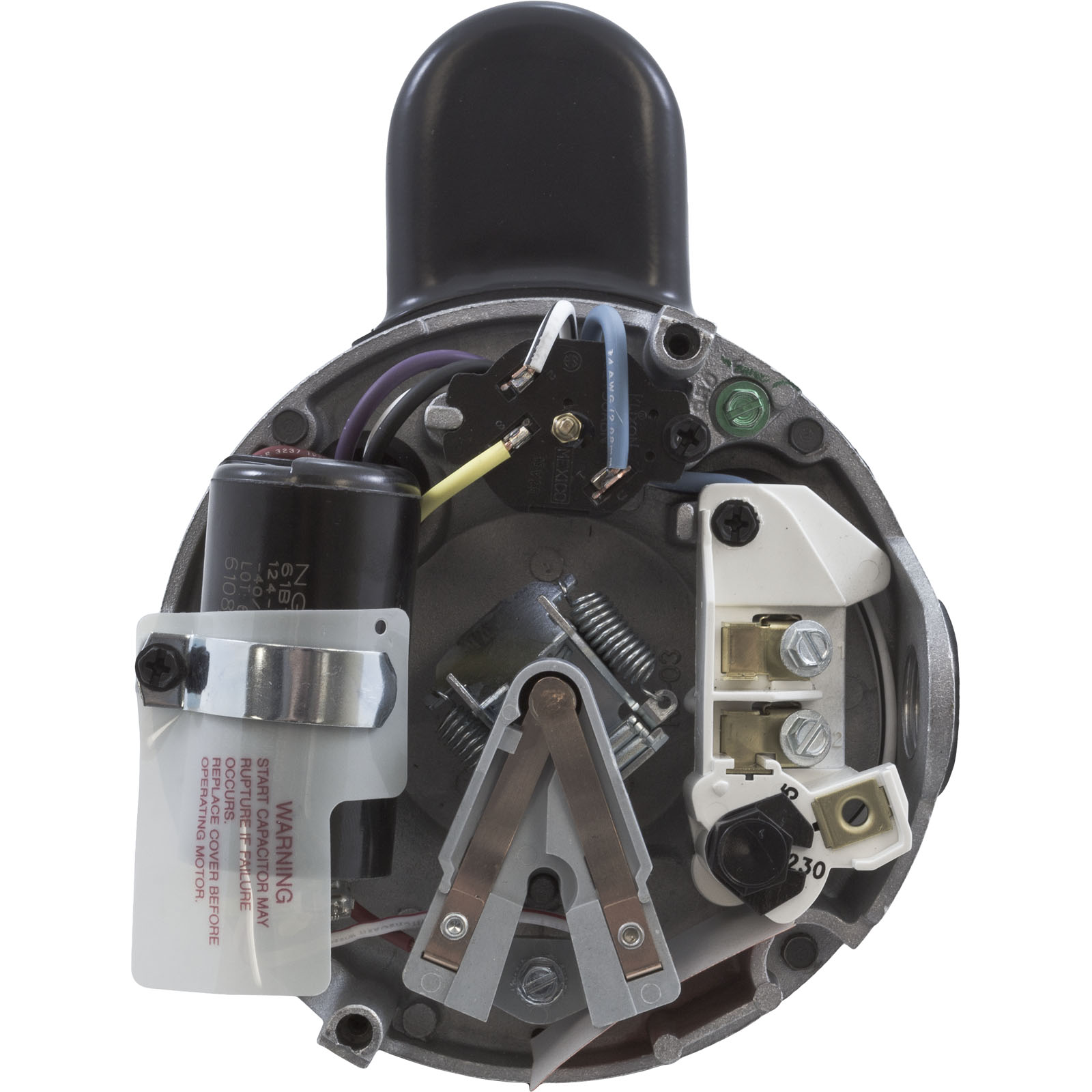
- Height. The capacitor sits in a raised hump on top of this motor, so measure your clearance if it sits under a spa skirt or below low plumbing.
🔧 When you fit it
- Fit a new shaft seal at the same time. A failed shaft seal lets water into the motor and is the most common reason a motor dies. Reusing the old one on a new motor is the quickest way to ruin it.
- Rotation. Pool and spa motors turn counter-clockwise seen from the shaft end, shown on the label as CCW or CCWPE. They cannot be reversed by swapping wires, so check the old label if it says anything different.
- Keep the horsepower the same unless you are changing the impeller too – the impeller is matched to the motor’s output.
🔩 Technical specifications
| Specification | Value |
|---|---|
| Manufacturer part number | CT1102 |
| UPC | 786674017260 |
| Brand | Century |
| Application | Pool pump motor |
| Horsepower | 1 HP |
| Total horsepower (service factor rated) | 1.4 HP |
| Speed | 1-speed |
| Voltage | 115V / 230V |
| Frequency | 60 Hz |
| Current draw | 13.6 A at 115V / 6.8 A at 230V |
| Phase | Single phase |
| RPM | 3,450 RPM |
| Motor frame | 56C frame |
| Frame dimensions | 56C frame, C-face mounting, 12-1/8 in overall length, threaded shaft |
| Mounting style | C-face |
| Shaft | Threaded |
| Capacitor position | On top of the motor |
Find the right pump or motor
Enter what is printed on the label of the one you are replacing. Anything that differs is shown with the difference spelled out, so you can judge it for yourself.
Port size is the plumbing thread, not the pipe — a 2 inch union measures about 3 inches across the male thread. Amps are compared to within half an amp, since published figures round differently between motor brands. Voltage is never treated as a near miss: a 115V motor is not one step from a 230V supply. Anything whose page does not publish a figure you entered is left out rather than offered with a caveat — search it by name to see it anyway.
🔧 Parts and fittings for this
| Part | Our part number | Availability | Price | ||
|---|---|---|---|---|---|
 |
Tool, Pool Tool, Impeller Wrench, Closed | 127 | 13 in stock | $53.79 | Add to cart |
 |
Tool, Seal Setting | SS2136 | 9 in stock | $103.11 | Add to cart |
Commonly replaced parts
Parts commonly replaced on this item that we stock.
| Part | Our part number | Availability | Price | ||
|---|---|---|---|---|---|
 |
Thru Bolt, Motor, Century Regal Beloit, 8-32 x 9-3/4" | 606202-066 | 302 in stock | $1.30 | Add to cart |
| Brand | Century |
|---|---|
| Phase | 1 Phase (1ph) |
| Horsepower | 1.0hp |
| Voltage | 115v/230v |
| Speed | 1 Speed (1-Spd) |
| Motor Type | Pool |
| Motor Shaft Type | Threaded |
| Motor Style | C-Face |
| Capacitor On Top | Yes |
| Motor Amperage | 13.6A/6.8A |
| Frame Type | 56C |
| Total Horsepower | 1.4thp |
| H Part# | 35-126-3060 |